






Join Our 4.7K+ WobbleBoo Family – We’re So Grateful! 💛


About WobbleBoo: The 15-Minute Advantage
The Problem We Solve
You see your child trying — pointing to pictures, naming familiar things, copying sounds, asking questions, telling you about their day — and you want to help turn those everyday moments into steady communication growth.
But finding the right resources can be frustrating.
There are millions of worksheets online, yet many are disconnected: an articulation activity here, a vocabulary page there, a stack of flashcards somewhere else, with no clear path connecting them.
If your child is working with a speech-language pathologist, you want meaningful practice between sessions. If you are homeschooling, you need more than scattered printables — you need a clear progression you can actually follow. And if you simply want to support your child's language development at home, you need activities that fit into real family life.
WobbleBoo was created to make those moments easier.
What We Provide
WobbleBoo creates structured, short-format speech, language, and early learning resources for children ages 2–7.
Our materials are designed around a simple idea: meaningful practice does not have to take an hour.
A few focused minutes at the kitchen table, during homeschool time, in the car, or while waiting for an appointment can become another opportunity to practice listening, understanding, speaking, describing, answering, and connecting with others.
Our resources follow logical skill progressions, so you are not constantly wondering what to practice next.
-
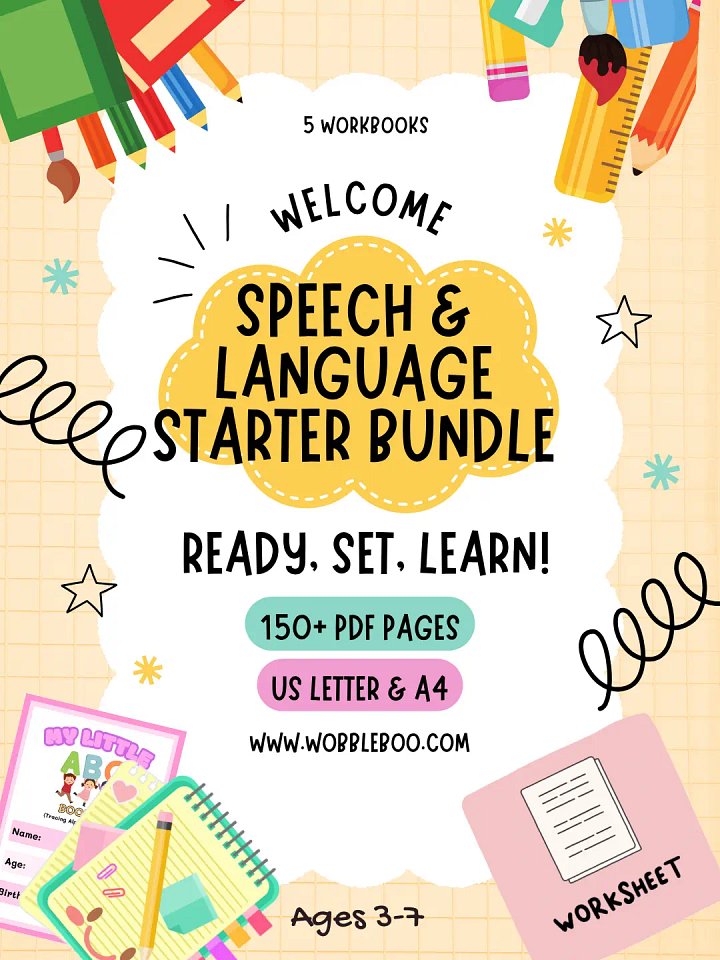
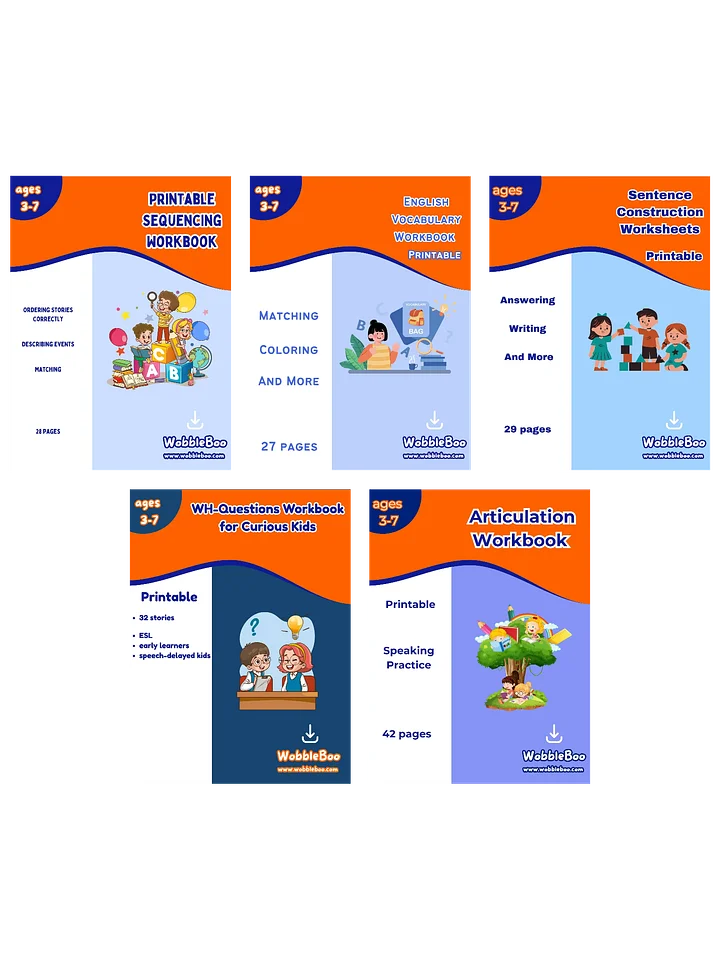
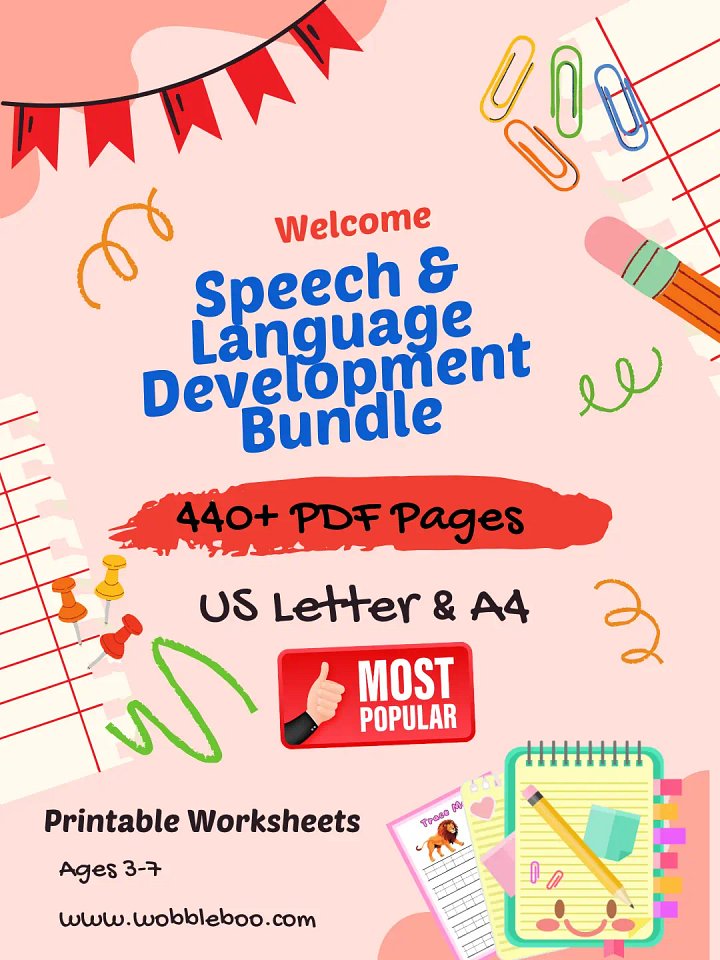
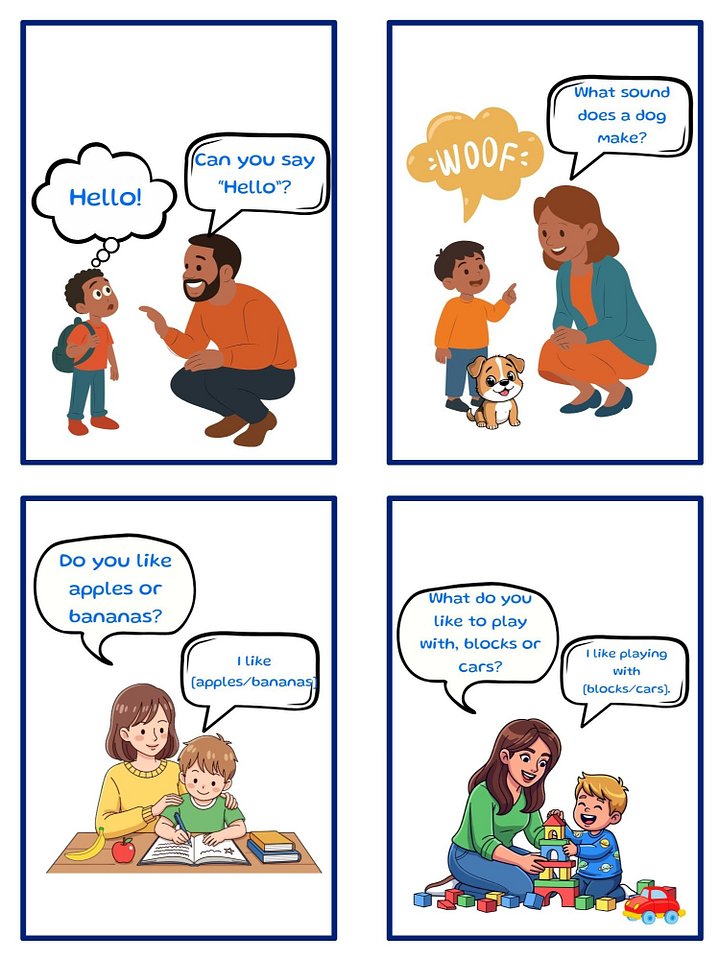
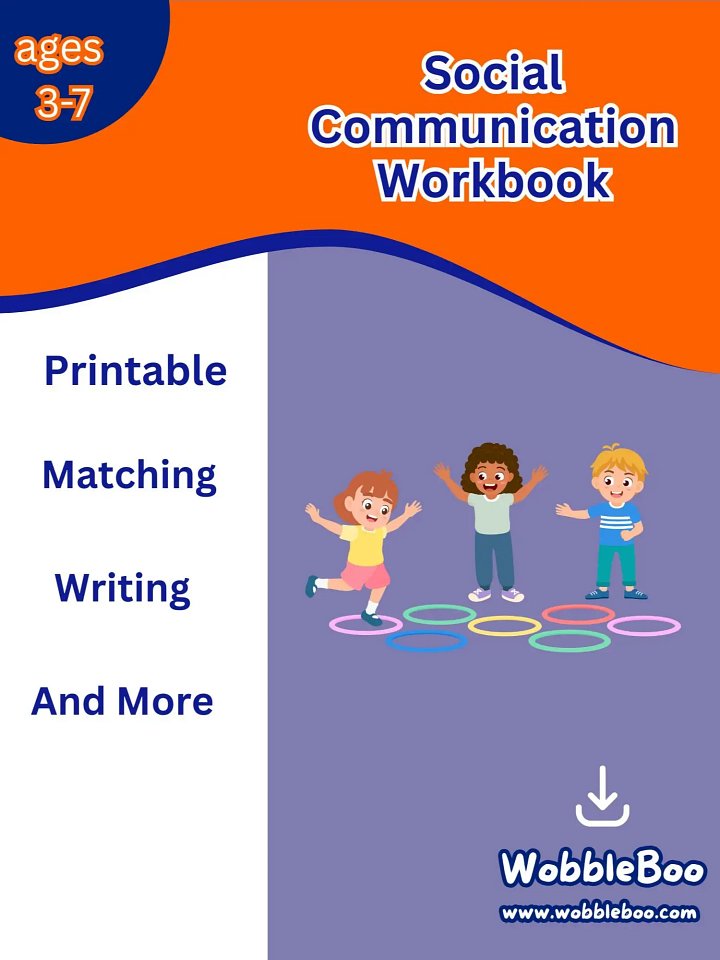
Speech & Language Workbooks: Coordinated activities that move from sounds and vocabulary to sentences, comprehension, storytelling, and functional communication.
-
Printable Learning Activities: Hands-on pages for vocabulary, phonics, early reading, concepts, and preschool skills that fit naturally into homeschool and home-learning routines.
-
Digital Flashcards: Simple, portable practice for vocabulary, speech sounds, concepts, and language skills when you have a few minutes to spare.
-
Audio-Visual Learning: Phonics and language activities that make listening, sound awareness, and early learning engaging rather than feeling like another lesson.
Who We Serve
WobbleBoo is made for families who want purposeful, manageable learning at home.
Our resources can support:
-
Parents looking for structured speech and language practice
-
Homeschool families building communication alongside early academic skills
-
Children with speech or language delays who benefit from additional practice opportunities
-
Families working with a speech-language pathologist and looking for activities to use between sessions
-
Preschool and kindergarten educators looking for ready-to-use language and early learning activities
-
Tutors and caregivers who want simple, structured activities for young learners
Whether you are following a homeschool routine or simply fitting learning into everyday life, our goal is the same: make practice simple enough to happen consistently.
How We Work
We believe children learn through repetition, interaction, visual support, and meaningful practice — not through pressure or endless worksheets.
That's why our resources are designed around small, achievable steps:
Listen → recognize → name → combine → describe → understand → communicate.
A child might begin by identifying a picture, move on to naming it, use the word in a phrase, and eventually use it in a sentence or story.
The goal isn't to rush through pages.
It's to create more opportunities for children to practice communication and experience small steps forward.
Every resource is designed to be practical for real families: print what you need, use it for a few minutes, and return to it again when you're ready.
We don't promise instant results or guarantee developmental outcomes.
We provide the structure. You provide the time, encouragement, and connection.
The 15-Minute Advantage
You don't need a perfect homeschool room.
You don't need an elaborate lesson plan.
And you don't need an hour of uninterrupted time.
Sometimes, 15 focused minutes is enough to create another meaningful opportunity to practice.
One sound.
One new word.
One better sentence.
One story retold.
One question understood.
Small moments can become part of a bigger learning routine.
Explore WobbleBoo
Discover our Age 2–7 collection of speech and language resources, preschool workbooks, flashcards, phonics activities, and early learning printables.
Structured enough to follow. Flexible enough for real life.
100% human made.
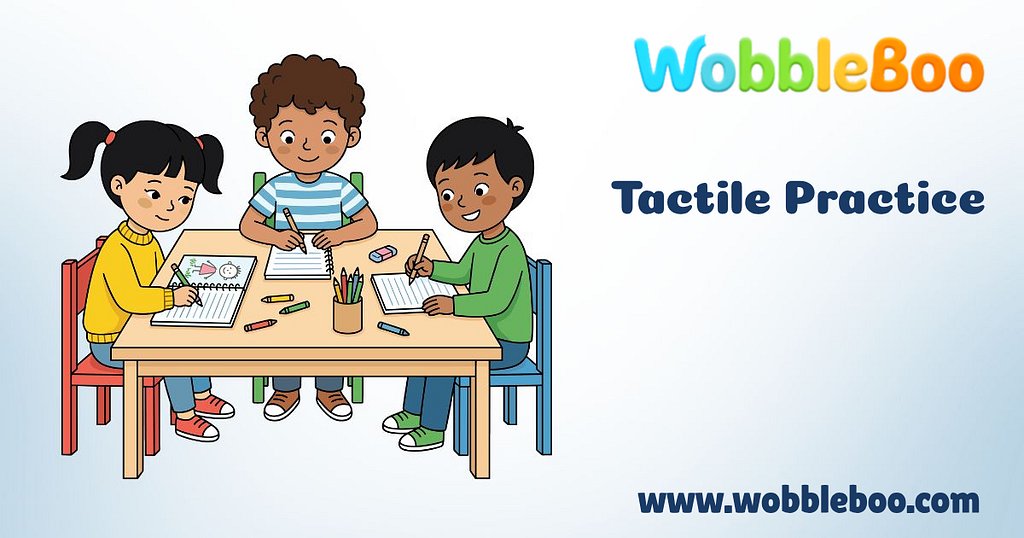
From Paper to Progress: Why Tactile Practice Still Matters (Ages 2–7)
-
Fine motor control. Tracing, coloring, and drawing strengthen the small hand muscles needed for writing, buttoning, and utensil use later.
-
Sustained attention. A paper activity typically requires a child to stay with one task longer than a swipe-based app, building the patience needed for classroom work.
-
Visual-motor integration. Connecting what the eye sees with what the hand does is a distinct skill that supports both handwriting and spatial reasoning.
-
Tangible progress. A finished worksheet can be seen, reviewed, and celebrated. That visible sense of completion builds confidence in a way a cleared screen does not.
-
Choose the skill. Pick a bundle matched to your child's stage — first sounds, sentence building, or early concepts.
-
Print and sit together. Ten to twenty minutes at the kitchen table. The pencil does the teaching; your presence does the encouraging.
-
Notice the small wins. A straighter line. A named picture. A sentence spoken aloud while tracing. These moments add up.
-
Human-designed. Every worksheet is built by educators and artists, not generated by AI. Children are not datasets.
-
Calibrated for ages 2–7. Our sequences progress logically — sounds to words, words to sentences — so you are not guessing what comes next.
-
Rigorous enough for therapy support, simple enough for home. Speech professionals use our materials for homework; parents use them for quiet afternoon enrichment.
-
Visible progress. You can hang the finished page on the refrigerator. That matters to a child.
The WobbleBoo Way: Learning That Fits Real Life
-
Articulation Practice — Targeted sound exercises for clearer speech
-
Vocabulary Building — Thematic word activities that expand what your child can name and describe
-
Language Comprehension — Activities that check understanding of what is heard and read
-
Sentence Construction — Step-by-step practice from phrases to complete thoughts
-
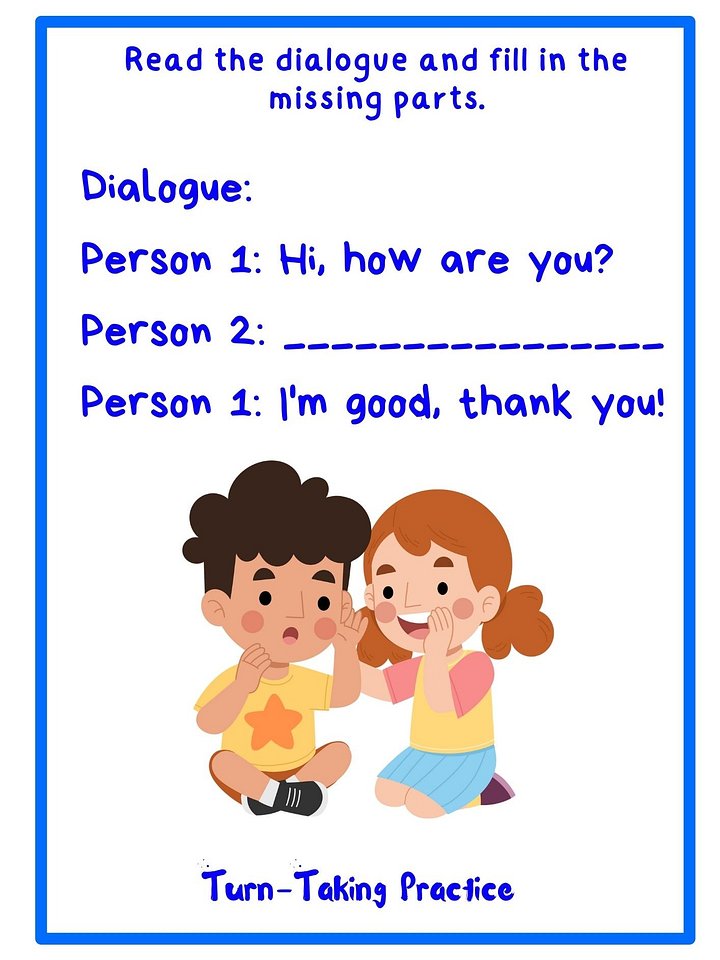
Sequencing & Social Communication — Story order and conversation skills
-
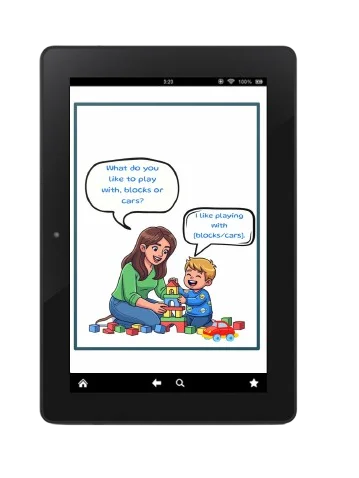
WH Questions — Practice answering and asking who, what, where, when, and why
-
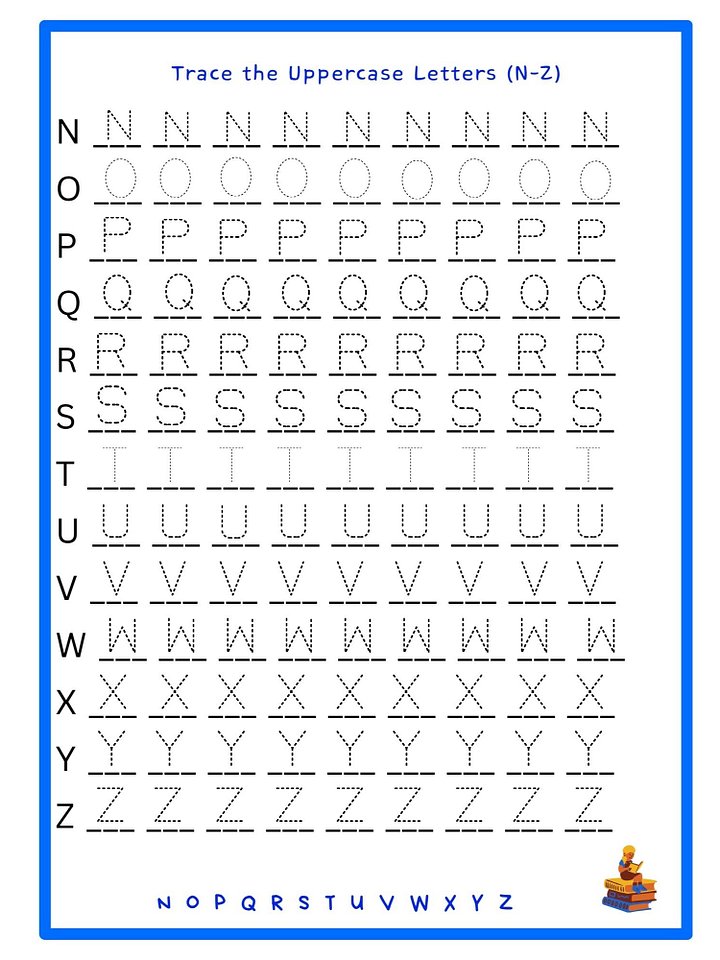
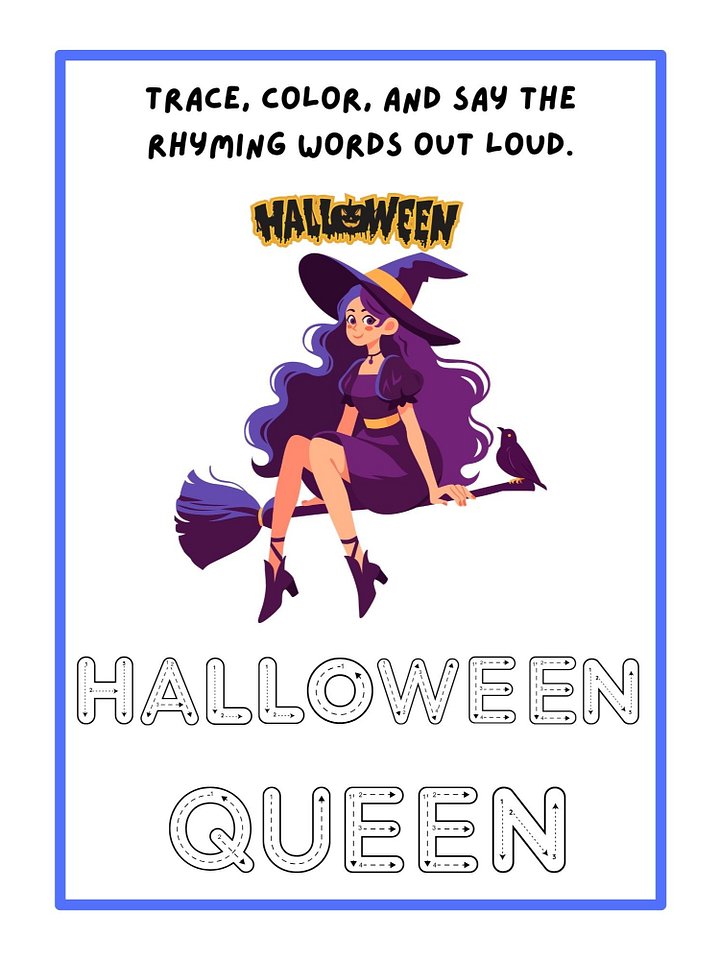
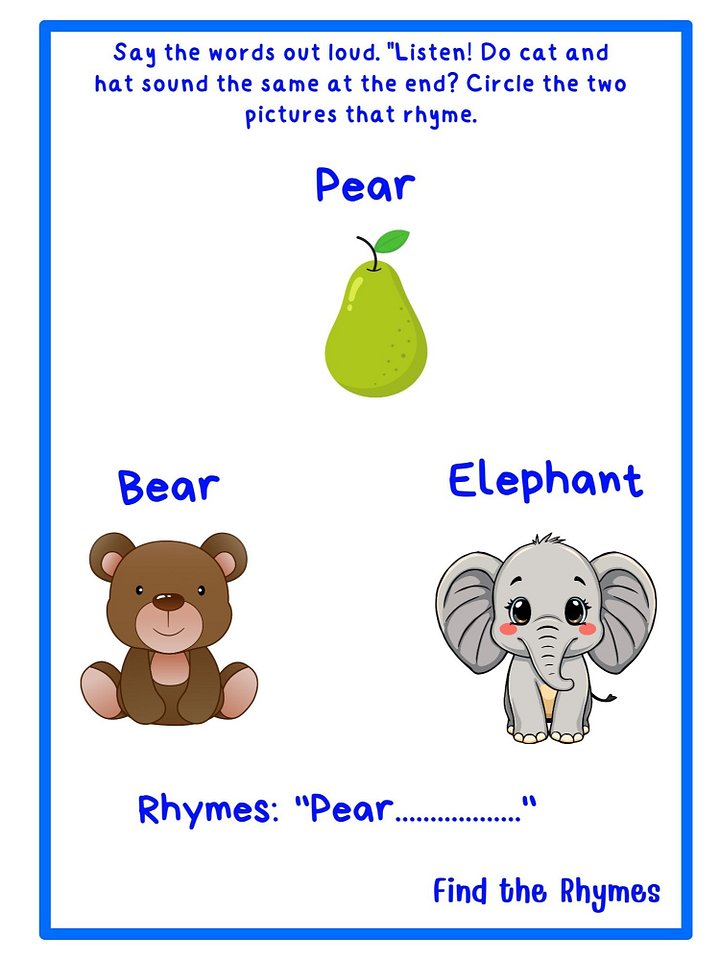
Rhyme & Tracing — Sound awareness and fine motor work together
-
Critical Thinking & Functional Skills — Real-world communication for everyday situations
-
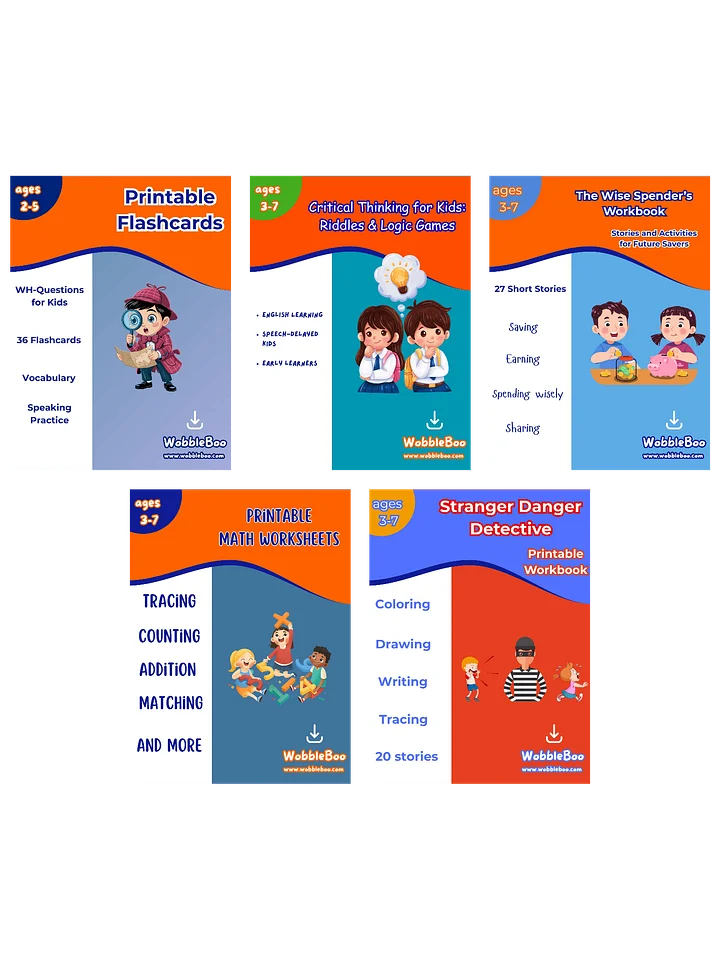
Math Worksheets — Counting, shapes, patterns, and early number work